
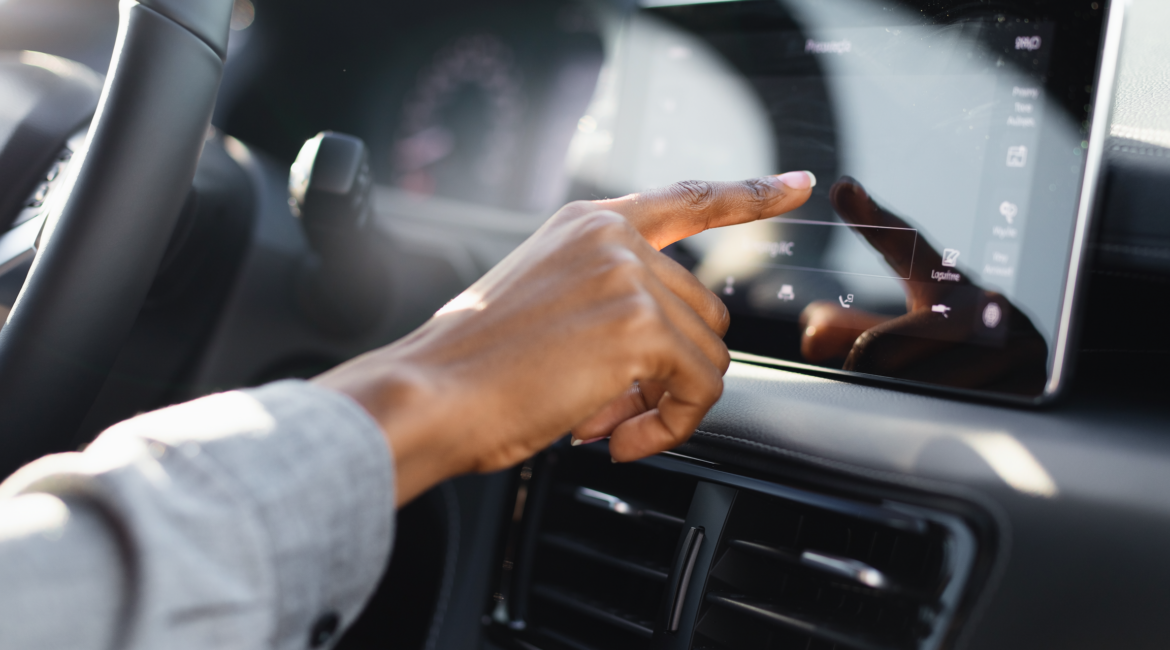
If your insurance premium jumped a few years ago and nobody could tell you why, your car may have been the reason.
In January 2026, the Federal Trade Commission finalized its order against General Motors and OnStar. The case showed how driving data can move from a car to an insurer without the driver knowing. If you drive a newer car in South Florida, it’s worth understanding how this happened and what it could mean for you after an accident.
What did GM do with drivers’ data?
According to the FTC, GM didn’t clearly tell drivers what its OnStar Smart Driver feature collected. That included location and driving behavior data, such as every instance of hard braking, late-night driving, and speeding, which GM sold to consumer reporting agencies. Those agencies used the information to build reports that insurance companies relied on to deny coverage and set rates.
The tracking was detailed. The FTC said GM collected and sold some drivers’ location and behavior data as often as every three seconds. Many people thought they were signing up for a feature to help them drive better. The FTC alleged the enrollment process was confusing and misleading, and that some drivers didn’t even know they’d been enrolled.
The FTC finalized the order on January 14, 2026. It bans GM from sharing drivers’ location and driving behavior data with consumer reporting agencies for five years. For the full 20-year life of the order, GM must get drivers’ affirmative consent before collecting or sharing connected vehicle data, let consumers request and delete their data, and offer ways to turn off or opt out of location and driving data collection.
GM discontinued Smart Driver in April 2024. But the data it had already sent didn’t disappear on its own.
Is it just GM?
No. In 2024, two U.S. senators told the FTC that GM, Hyundai, and Honda had shared driving data with the broker Verisk Analytics, which turned it into driving-behavior reports sold to insurance companies. According to Senator Wyden’s office, Hyundai shared data from 1.7 million vehicles for just over $1 million, and Honda received less than $26,000 for data from 97,000 vehicles. That works out to pennies per car.
The legal fallout is still unfolding. In April 2026, a federal judge in Atlanta allowed the core claims to move forward in nationwide litigation against GM, OnStar, LexisNexis Risk Solutions, and Verisk. In May 2026, California reached a $12.75 million settlement with GM over selling drivers’ information to LexisNexis and Verisk.
How can I find out if my driving data was sold?
Start with the companies that compile insurance reports. LexisNexis Risk Solutions and Verisk are consumer reporting agencies, which means the federal Fair Credit Reporting Act gives you the right to request the file they keep on you. If something in it is wrong, you can dispute it, and the company generally has 30 days to investigate.
Next, open your car’s app or your automaker’s privacy page. Look for connected services, driver feedback, or insurance discount programs you may have accepted at the dealership. You can usually turn them off. If you drive a GM vehicle, the FTC order requires GM to let you request a copy of your data and ask for it to be deleted.
Why does driving data matter after a Florida car accident?
This is the part most drivers don’t think about. The same kind of information that ended up in insurance reports- your speed, how hard you braked, where you were, and when- can become evidence after a crash.
That matters more in Florida now than it used to. Under section 768.81(6), Florida Statutes, as amended in 2023, if you’re found more than 50% at fault for an accident, you generally can’t recover damages from the other driver. A few seconds of speeding data could be the difference between a fair recovery and nothing.
It cuts both ways. Data from the other car can show the other driver was speeding, braking late, or not braking at all. That evidence can be powerful, but it doesn’t last forever. Vehicle systems can overwrite data, and a totaled car may be sold at auction within days. Federal law generally treats the data in a car’s event data recorder, often called the “black box,” as belonging to the vehicle’s owner or lessee, so you usually need consent or a court order to obtain it.
Also keep the clock in mind. For most Florida car accident claims arising after March 24, 2023, section 95.11, Florida Statutes, gives you two years to file suit. Two years goes by faster than people expect, especially when evidence needs to be preserved early.
If an insurance company asks for access to your vehicle data or wants a recorded statement after a crash, talk to a lawyer before you agree.
Talk to an attorney about your car accident
Hoffman, Larin & Agnetti has represented injured people in South Florida for more than 40 years, with offices in North Miami Beach, Fort Lauderdale, Key West, and Islamorada. If you’ve been hurt in a crash in Miami-Dade, Broward, or the Florida Keys, we can talk through what happened and what evidence may matter. Personal injury consultations are free.
Injured in a car, motorcycle, truck, or rideshare accident in Miami, Broward, or the Keys? We’re here 24/7. No fee unless we win.
Call 305-653-5555 | Text 305-653-1515 | jo@hlalaw.com
Hoffman, Larin & Agnetti, P.A. — Fighting for South Florida victims for 40+ years.
Frequently asked questions
Can my car’s data be used against me in a Florida accident case?
It can. Speed, braking, and location data may be requested in a lawsuit, and under Florida’s modified comparative negligence rule, being found more than 50% at fault can bar your recovery.
Does GM still sell driving data to insurers?
GM discontinued Smart Driver in April 2024, and the FTC’s final order bans it from sharing location and driving behavior data with consumer reporting agencies for five years.
How do I stop my car from sharing my driving data?
Check your vehicle’s app or connected services settings and turn off driver feedback or insurance-related programs. You can also contact your automaker to ask what’s collected and whether it can be deleted.
How long do I have to file a car accident lawsuit in Florida?
For most negligence claims arising after March 24, 2023, the deadline is two years under section 95.11, Florida Statutes.
*This article is for general information only and isn’t legal advice. Reading it doesn’t create an attorney-client relationship. Every case is different, so please speak with an attorney about your specific situation.*